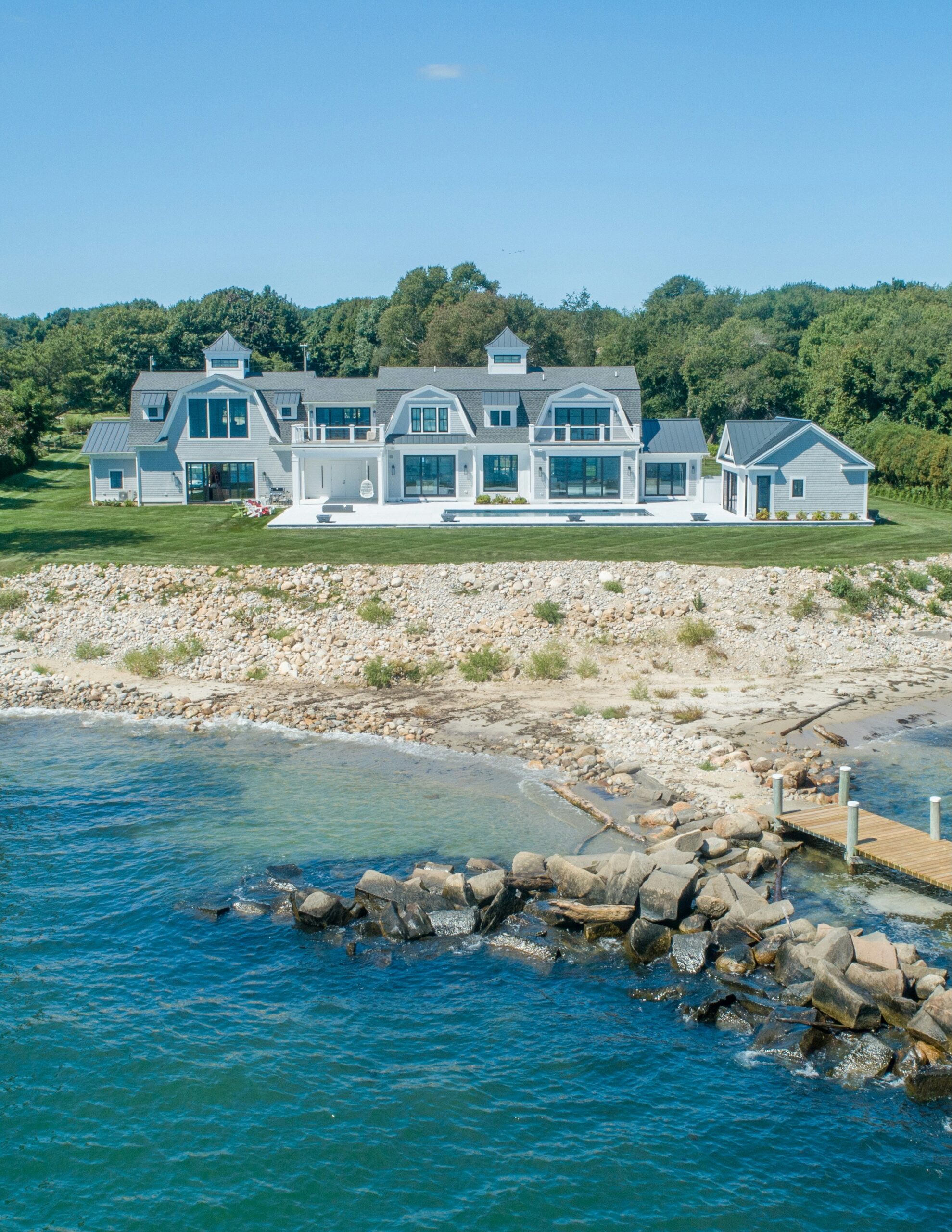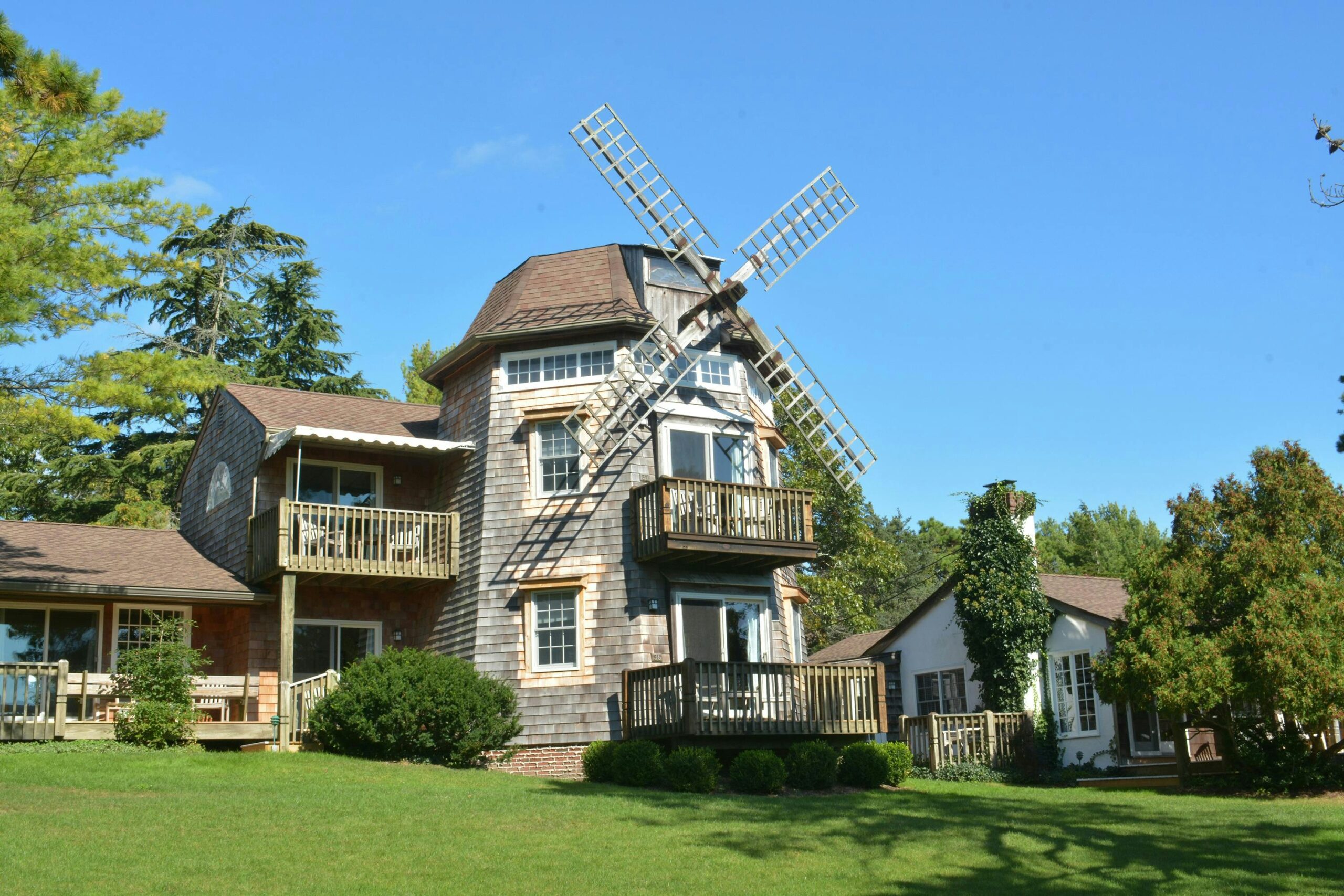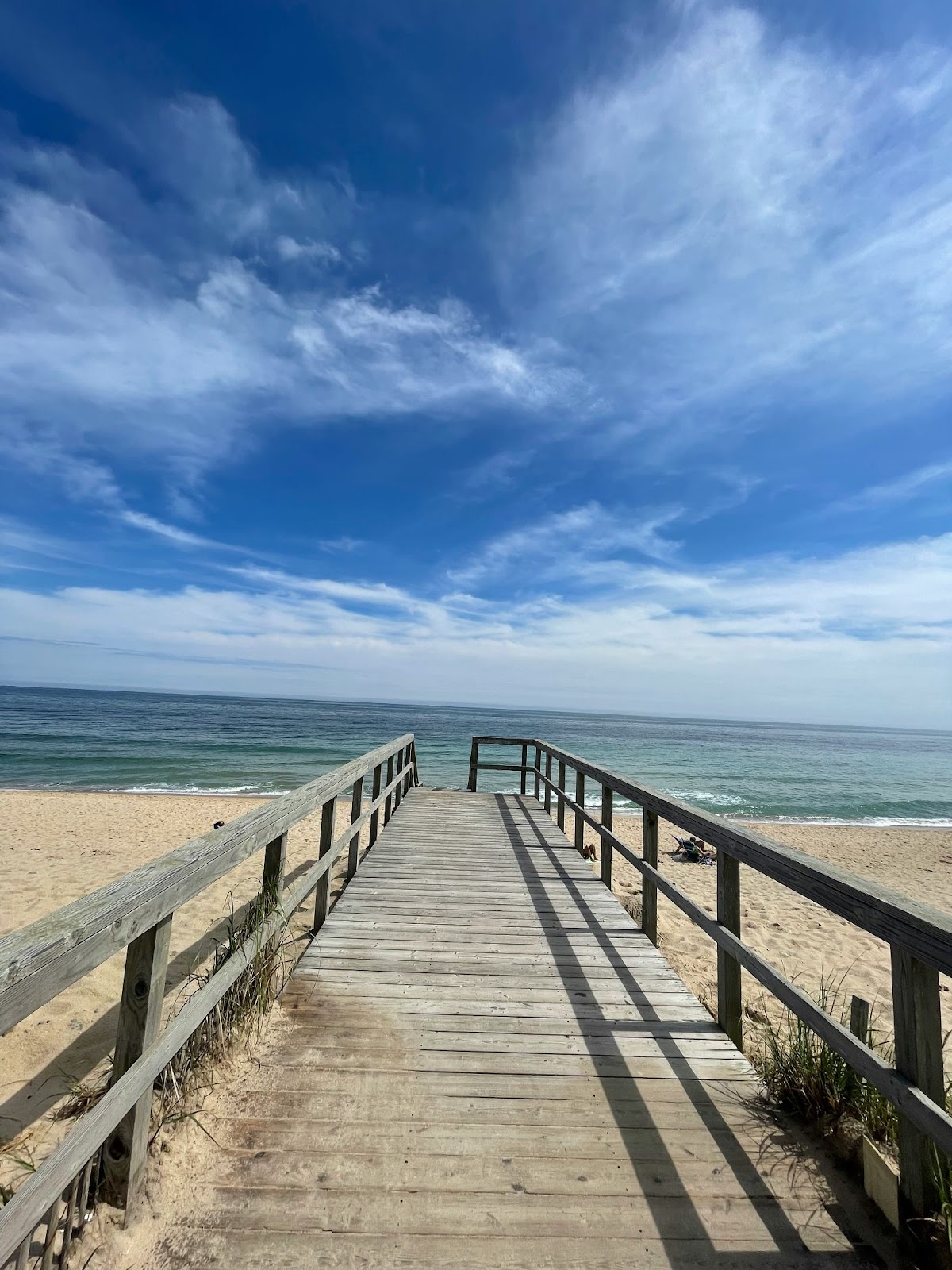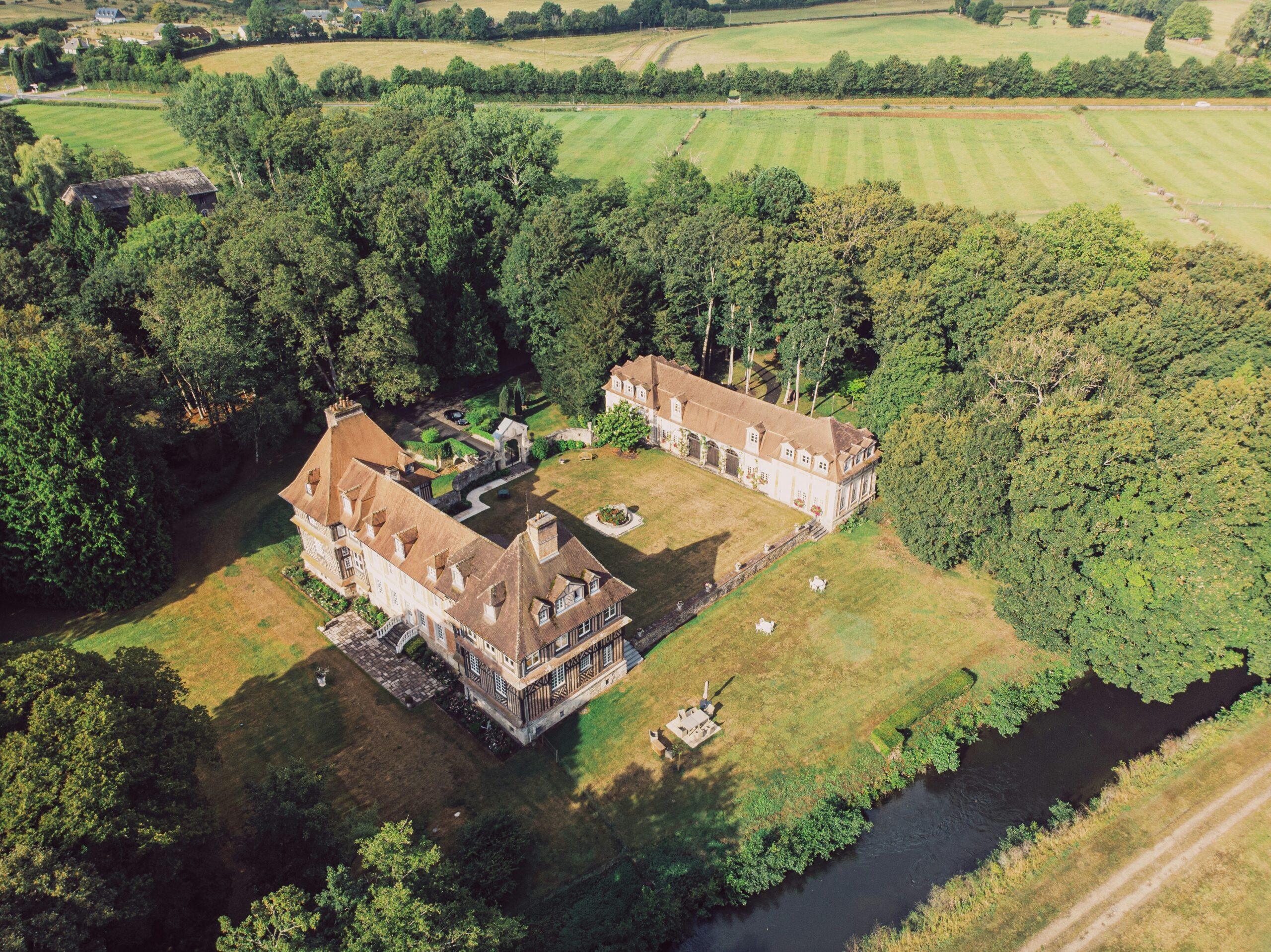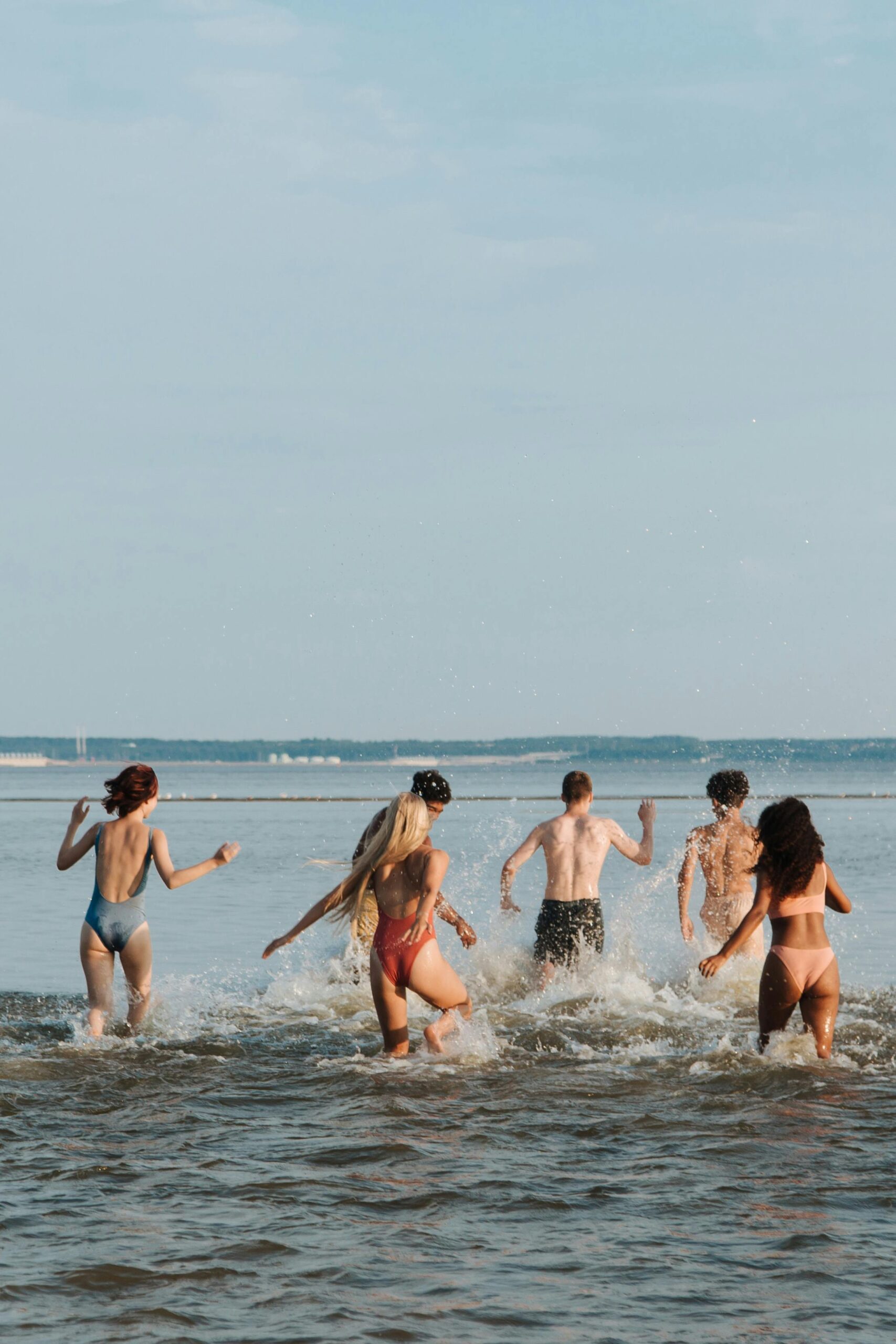

Set against the backdrop of Long Island’s coastal communities and the family-centered lifestyle of the Hamptons, Magicfinz Infant Aquatics is redefining what early childhood swimming instruction can look like. What was once considered a specialty activity has become an essential skill for modern families, particularly as drowning remains the leading cause of accidental death among children between the ages of one and four. Parents are increasingly turning to survival-based swim instruction not only for safety, but for the confidence and independence it can instill at an early age.
Founded by educator and former competitive swimmer Rebecca Weiner, Magicfinz Infant Aquatics has quietly built a devoted following among families across Long Island and beyond. Weiner, a magna cum laude graduate of the University at Albany with a background in communications, business, and education, created the program through a blend of academic understanding and real-world experience. Her lifelong relationship with the water, paired with a deep appreciation for childhood development, shaped a program that feels both nurturing and highly intentional.
At the heart of Magicfinz is its survival-first philosophy. Infants learn how to independently roll from a face-down position into a stable back float, while toddlers and young children are taught the swim float swim sequence alongside essential water safety skills. The instruction focuses not simply on swimming, but on helping children remain calm, aware, and responsive in unexpected situations. Lessons are personalized to each child’s emotional and developmental needs, recognizing that no two swimmers progress in exactly the same way.
The program’s foundational course runs four to six weeks for children ranging from six months to six years old. Sessions take place four times per week and last approximately ten to twenty minutes, allowing children to build confidence and muscle memory in a gentle and consistent environment. Families often notice that the benefits extend far beyond the water, as children develop resilience, discipline, and self-assurance throughout the process.
A defining aspect of the program is its emphasis on real-world preparedness. Children practice skills in everyday clothing rather than traditional swimwear, reinforcing the reality that accidents rarely happen under ideal circumstances. By the end of the course, infants are able to independently float and maintain safety until help arrives, while older students confidently complete the swim float, swim sequence with control and consistency.
For Weiner, whose upbringing was deeply connected to Long Island’s coastal culture, teaching these skills is personal. After completing the introductory program, many students continue into advanced group classes where they refine technique, explore new abilities, and build a lasting love for the water. What begins as survival training often evolves into a lifelong relationship with swimming. In a region where summers revolve around pools, beaches, and boating, Magicfinz Infant Aquatics offers families something invaluable: peace of mind paired with empowerment. Through every lesson, Rebecca Weiner remains focused on one mission above all else: equipping children with skills that can protect them for a lifetime while giving parents the confidence that comes with preparation.
Written in partnership with Tom White