
For many folks residing in the Hamptons, daily life often extends far beyond the East end alone. A typical day can look like spending a significant amount of time in New York City, whether for business, a social activity, or even to maintain a second residence.
This transition between serene life and the city has become an increasingly normal routine for Hamptons residents. But when an unexpected illness or injury occurs while in the city, that seamless lifestyle can quickly feel threatening.
A sudden illness can mean hours spent in a crowded emergency room, navigating unfamiliar hospital systems, and receiving care that feels anything but personal. For individuals especially accustomed to luxury life, the ER infrastructure in the New York-metro area is designed for volume and efficiency, not for affluent residents who need direct attention.
As healthcare continues to evolve in the city, providers today are exploring what care could look like not within the hospital setting, but directly in the patient’s home. This is where Care2U, led by CEO Lon Hecht, is reshaping expectations when it comes to hospitalizations as they happen in New York.
When care pivots directly to the home
According to Hecht, bringing ER-level care directly to the home changes the dynamic drastically. While Care2U operates in the five boroughs of New York, Long Island, and Westchester, it can make a resounding difference for Hamptons residents who consistently travel and reside in the city.
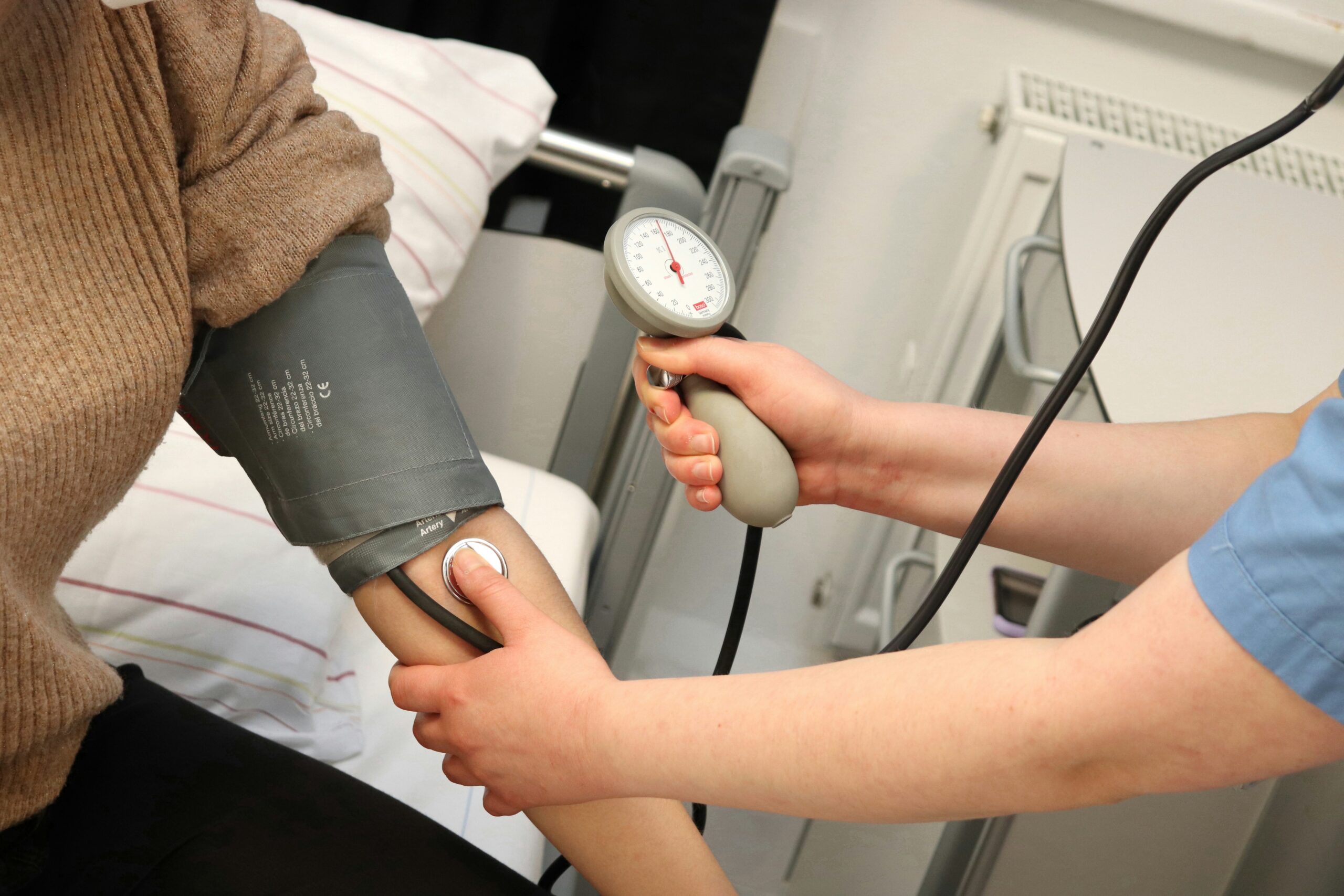
“Within hours of a call, a highly skilled clinician can arrive equipped with stat labs, point-of-care diagnostics, IV infusions, imaging, and much more, providing 60+ minutes of focused, uninterrupted care in a private and comfortable setting,” he said.
He also adds that care at home is ideal for those who hold their privacy and time to the highest standard.
“Time is the one resource that even the most affluent and accomplished people cannot buy more of, and spending hours in a crowded waiting room while feeling unwell is simply not an acceptable option for this clientele,” Hecht said. “For patients managing multi-day acute conditions, a hospital-at-home model means that ongoing care continues … without repeated trips back to a facility, disruptive overnight stays, or exposure to the institutional environment of a traditional hospital.”
Just as important is the financial aspect. Taking the care right to the home reduces the expensive bills found in traditional ERs, where a single expense can cost well up to thousands of dollars. On the flip side, at-home care decreases that cost significantly.
The benefits also extend beyond pure convenience alone. Recovering at home allows patients to heal in familiar, low-stress surroundings, where personalized care is consistently better than the noise of conventional hospitals.
What this means for busy commuters
As more Hamptons residents commute, taking the healthcare experience right to the front door promises results not found in any other way.
The first benefit is a continued emphasis on discreetness and community.
“For high-profile individuals and families, a visit to a hospital or urgent care center is rarely a private experience; there are waiting rooms full of strangers, administrative staff asking personal questions in open settings,” Hecht added. “The risk of unwanted attention is very real.”
In addition to Care2U serving directly in the home, clinical teams work one-on-one in no public waiting areas, no unnecessary personnel, and no exposure to the outside world. At the same time, there are no medical records being processed at a front desk, no encounters in hallways, and no moments that compromise the dignity of patients.
Importantly, family members can also remain nearby, while daily responsibilities do not have to be interrupted.
“A health issue should not mean that an entire household comes to a standstill, and the logistical disruption of a hospital visit can be as stressful as the illness itself,” Hecht said.
He notes that at-home care is designed to fit seamlessly into the rhythms of patients’ lives, where each care team arrives within a scheduled time window, delivers 60+ minutes of focused clinical time, and completes the full care episode without ever requiring travel from the family.
As a result, this is not a sole replacement for ER. It’s a better alternative for busy families who need the efficiency and smooth integration.
A new future for affluent New Yorkers
Across New York, healthcare access remains a complicated debate. Hospitals have always been the default, but Hecht and his team prove there’s another option on the horizon.
“Without question, hospital-level care at home is rapidly moving from a novel concept to an expected standard,” he said.
New Yorkers want every aspect of their lives to be tailored to their preferences, and that is exactly what the future is going to be: at-home care where everyone can get better, but without the hurdles of traditional, modern infrastructures.
Today, local communities are witnessing this change with the work Care2U brings to the region.
“What this shift ultimately means is that personalization, speed, and quality of experience will become the benchmarks by which all acute care is measured, not just the care that happens in elite communities,” Hecht said.
For those exploring a better healthcare approach, at-home hospitalizations are emerging as the solution. As Hamptons residents continue to spend their time in NYC, this is the very reality that’s going to shape the community in vastly hopeful ways.
Written in partnership with Tom White